

Why is physiotherapy important?
You use your body every day, so looking after it can have a big impact on your overall health and happiness.
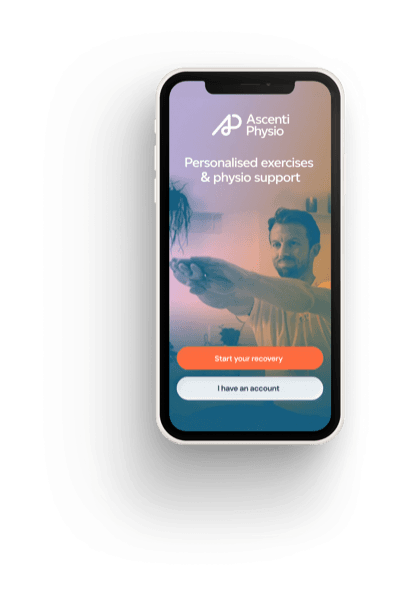
Ascenti Reach app
Manage your recovery and access tailored video guides directly from your phone.
Published
Pilates is a low-impact yet highly effective form of exercise that’s become increasingly popular in recent years. Google searches for Pilates have jumped 89% (Google Trends), 70% of fitness enthusiasts prefer Pilates over yoga (HFE), and the number of businesses in the Pilates and Yoga Studios category rose 4.9% year on year (Ibis World).
Social media has played a big role in its rise and importantly, people are discovering the real benefits of Pilates, from relieving back pain to improving strength, flexibility, and overall wellbeing. If you’re struggling with lower back pain, Pilates could be worth a shot. You can do exercises at home or at a studio, and they can really help you ease discomfort and improve flexibility - perfect for colder months when we tend to spend more time indoors.
Pilates helps build a strong core, which supports your spine and takes pressure off your lower back. This will help make everyday movements easier and more comfortable.
Pilates teaches you how to align your body properly, helping you sit and stand taller. By learning good posture habits, you're less likely to slump or twist your spine in ways that can lead to back pain. Increases flexibility Through slow, gentle stretching, Pilates keeps your muscles soft and your joints mobile. This helps release tension and eases tight muscles that can pull on your lower back.
Pilates isn’t about fast or high-intensity workouts. Instead, it encourages you to move with control and focus, paying attention to each stretch and motion. This calm, thoughtful approach improves body awareness and helps reduce tension.
Deep, controlled breathing is a key part of Pilates. Focusing on each inhale and exhale relaxes your body, improves oxygen flow, and boosts circulation, leaving you feeling more energised and connected to your body.
Just a few Pilates exercises each week can help your back feel lighter, stronger, and more supported. If you're experiencing back pain and want to make sure you’re doing the right exercises the right way, a one-to-one session with a physiotherapist can really help. They’ll listen to how you’re feeling, assess your pain, and create an exercise plan tailored just for you.
Book an in-person or virtual appointment with a physiotherapist near you.
You use your body every day, so looking after it can have a big impact on your overall health and happiness.

Confused by the technical terms? You’re not alone, which is why we’ve created this section explaining some commonly used words and phrases.

Ascenti’s Virtual Physiotherapy Service Lead, Jamie Duke, talks about the future of digitally-enabled musculoskeletal (MSK) physiotherapy and the important role that it will play in shaping employee wellbeing services of the future.

Online physiotherapy is an alternative to a face-to-face appointment that can save you time and offer great results.

Video physiotherapy consultations are available as part of our virtual service. Find out more about our online appointments here.

If you’re not the most confident with technology and are wondering where to begin with the whole concept of ‘online’ physiotherapy appointments, check out our advice here.


Every woman’s journey is different. Our physiotherapists are here to help you stay active, manage pain, and move freely, whatever stage you’re at.

Heading to the slopes? Here are 5 physio tips, plus a quick warm-up and simple ski workout to help reduce injury risk and ski with confidence.

Poor circulation can feel exhausting These simple exercises can help you improve your circulation, get your blood flowing, and warm you up this winter.

Here are five exercises you can do at home to feel flexible, more energised, and reduce stiffness this winter.

Clinical Performance Lead Beenish Kamal breaks down what musculoskeletal (MSK) physiotherapy involves, which conditions it helps treat, and the symptoms and causes you should know about.
