

Jargon buster
Confused by the technical terms? You’re not alone, which is why we’ve created this section explaining some commonly used words and phrases.
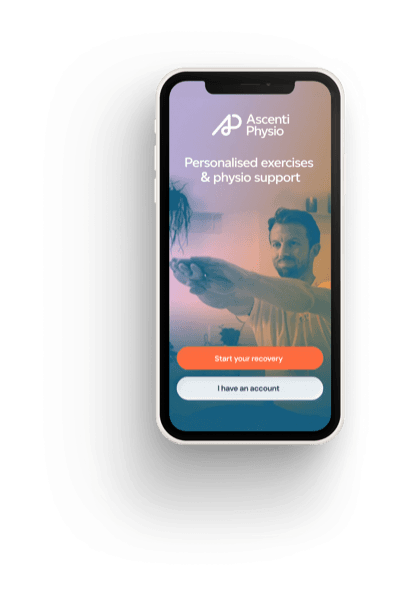
Ascenti Reach app
Manage your recovery and access tailored video guides directly from your phone.
Published
Musculoskeletal physiotherapy focuses on treating problems affecting your muscles, joints, bones and soft tissues. It helps relieve pain, improve movement and restore function, whether you’re recovering from an injury or managing a long‑term condition.
Our physiotherapists support people with issues such as back pain, arthritis, sports injuries and postural problems, using a personalised approach to treatment. This may include exercise therapy, hands‑on treatment, rehabilitation programmes, and advice on posture and movement to support recovery and help prevent future problems.
The goal isn’t just short‑term pain relief, it’s to address the underlying cause of the problem so that you can return to your everyday activities safely, confidently and with greater comfort.
You use your body every day, so looking after it can have a big impact on your overall health and happiness.
Physiotherapy is a recognised healthcare profession that can help prevent injuries, support recovery after one, and get you back to your normal activities. Whether you’re dealing with pain, stiffness or reduced mobility, physiotherapy focuses on helping your body move better and feel stronger again.
Physiotherapy doesn’t need to be complicated, so we keep things simple. Your body is designed to cope with a certain amount of physical load. With the right movement and exercise, tissues can adapt and become stronger. But sometimes we push our bodies beyond what they can comfortably manage, which can lead to pain or injury.
In some cases, people come to physiotherapy after a clear event, such as a fall or a sports injury. Physiotherapy then focuses on helping your body recover, supporting the natural healing process while guiding you safely back to movement.
At other times, pain can develop gradually or without an obvious cause. In these situations, physiotherapy looks beyond the symptoms to understand why the problem has occurred. While easing pain can help you feel better in the short term, addressing the underlying cause is what helps you recover properly.
Your physiotherapist will work with you to identify what’s contributing to your pain and use a combination of treatments to put things right, helping you move more comfortably, confidently and safely again.
Physiotherapy is for everyone. From minor aches and niggles to more complex problems, our experienced physiotherapists can help you feel better and move with greater ease.
We work with people of all ages, abilities and fitness levels, supporting a wide range of health and wellbeing goals.
Many people in the UK only see a physiotherapist when pain becomes hard to ignore. But regular physiotherapy can also help prevent problems before they start and play an important role in maintaining a healthy, active lifestyle.
Physiotherapy can support people with a wide range of needs, including:
Whether you’re managing pain, recovering from injury or simply want to keep moving well, physiotherapy can help support your health now and in the future.
Physiotherapy uses a range of treatments, and your physiotherapist will choose the ones most likely to help you achieve your goals. Your treatment plan is tailored to you and may include:
Your physiotherapist will guide you on what’s right for you at each stage of your recovery, helping you move safely, comfortably and with confidence.
Learn more about treatment with us.
Yes. Physiotherapists are recognised healthcare professionals who complete a degree‑level qualification and are registered with the Health and Care Professions Council (HCPC).
We uphold the highest standards of quality and safety, taking our responsibilities as a healthcare provider seriously. That’s why we’re a trusted partner to more than 14 Integrated Care Boards (ICBs) and 400 private businesses across the UK.
You can learn more about quality and safety at Ascenti, or find out more about our ethos and the physiotherapy treatments we offer.
If you have questions about how physiotherapy can support your overall health and wellbeing, we’re here to help. Chat to us live, contact us online, or book an appointment at a time that suits you
If you are looking for obstetrics related physiotherapy (antenatal or postnatal care) please call our customers services helpline (0330 678 0850) for a remote initial assessment with one of our specialist trained therapists. They will assess your symptoms virtually and ensure you continue your treatment with the most appropriate therapist for your needs.
Please note we cannot support the following conditions:
Confused by the technical terms? You’re not alone, which is why we’ve created this section explaining some commonly used words and phrases.

Ascenti’s Virtual Physiotherapy Service Lead, Jamie Duke, talks about the future of digitally-enabled musculoskeletal (MSK) physiotherapy and the important role that it will play in shaping employee wellbeing services of the future.

Online physiotherapy is an alternative to a face-to-face appointment that can save you time and offer great results.

Video physiotherapy consultations are available as part of our virtual service. Find out more about our online appointments here.

If you’re not the most confident with technology and are wondering where to begin with the whole concept of ‘online’ physiotherapy appointments, check out our advice here.


Every woman’s journey is different. Our physiotherapists are here to help you stay active, manage pain, and move freely, whatever stage you’re at.

Heading to the slopes? Here are 5 physio tips, plus a quick warm-up and simple ski workout to help reduce injury risk and ski with confidence.

Poor circulation can feel exhausting These simple exercises can help you improve your circulation, get your blood flowing, and warm you up this winter.

Here are five exercises you can do at home to feel flexible, more energised, and reduce stiffness this winter.

Discover why Pilates is such an an effective way to overcome back pain whilst improving strength, flexibility and wellbeing.

Clinical Performance Lead Beenish Kamal breaks down what musculoskeletal (MSK) physiotherapy involves, which conditions it helps treat, and the symptoms and causes you should know about.
