

Why is physiotherapy important?
You use your body every day, so looking after it can have a big impact on your overall health and happiness.
Ascenti Reach app
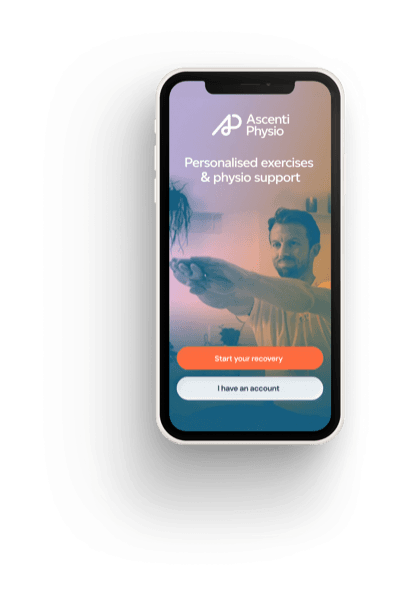
Manage your recovery and access tailored video guides directly from your phone.
Published
Cold hands and feet are especially common in winter. You might notice it if you’re spending long hours working outside in the cold or sitting at your desk for extended periods - either way, your circulation plays a big role. The good news is that there are plenty of simple exercises that can help improve your circulation, get your blood flowing, and warm you up from the inside out.
But before we dive into the exercises, let’s first explain what poor circulation is and highlight the symptoms to watch for.
Poor circulation happens when blood flow isn’t sufficient to deliver oxygen and nutrients throughout your body. While it’s quite common and not always cause for concern, it can sometimes point to underlying health issues such as blood clots, diabetes, or heart problems. If you notice persistent symptoms or worsening circulation, consult your doctor.
Some of the most common symptoms include:
the following exercises can help with poor circulation from the comfort of your own home. The key message is to keep moving - short walks, tidying the house, cooking, and cleaning all help too, as long as your body isn’t just sitting still.
Lift one foot off the floor and rotate your ankle 10 times each way. repeat on both feet.
Make a gentle fist, hold for a few seconds, then release. Repeat 10–15 times to improve hand circulation.
Stand tall, rise onto your toes, then lower slowly. Repeat 15 times to strengthen calves and stimulate blood flow.
Lift your knees alternately for 1–2 minutes. Perfect for a quick warm-up if you’ve been sitting.
Raise your shoulders toward your ears and relax. Repeat 10 times to loosen tension and promote upper-body circulation.
A few minutes of movement every hour, dressing warmly, and staying hydrated can all help keep your circulation healthy. These exercises are simple, effective, and easy to do anywhere, but if you notice persistent symptoms or worsening circulation, consult your doctor, as it could indicate a more serious issue.
If you want advice on which exercises can help you improve blood flow, a one-to-one session with a physiotherapist can really help. They’ll assess your symptoms and create an exercise plan tailored just for you. Get in touch or book a session at a clinic near you.
You use your body every day, so looking after it can have a big impact on your overall health and happiness.

Confused by the technical terms? You’re not alone, which is why we’ve created this section explaining some commonly used words and phrases.

Ascenti’s Virtual Physiotherapy Service Lead, Jamie Duke, talks about the future of digitally-enabled musculoskeletal (MSK) physiotherapy and the important role that it will play in shaping employee wellbeing services of the future.

Online physiotherapy is an alternative to a face-to-face appointment that can save you time and offer great results.

Video physiotherapy consultations are available as part of our virtual service. Find out more about our online appointments here.

If you’re not the most confident with technology and are wondering where to begin with the whole concept of ‘online’ physiotherapy appointments, check out our advice here.


Every woman’s journey is different. Our physiotherapists are here to help you stay active, manage pain, and move freely, whatever stage you’re at.

Heading to the slopes? Here are 5 physio tips, plus a quick warm-up and simple ski workout to help reduce injury risk and ski with confidence.

Here are five exercises you can do at home to feel flexible, more energised, and reduce stiffness this winter.

Discover why Pilates is such an an effective way to overcome back pain whilst improving strength, flexibility and wellbeing.

Clinical Performance Lead Beenish Kamal breaks down what musculoskeletal (MSK) physiotherapy involves, which conditions it helps treat, and the symptoms and causes you should know about.
