

Why is physiotherapy important?
You use your body every day, so looking after it can have a big impact on your overall health and happiness.
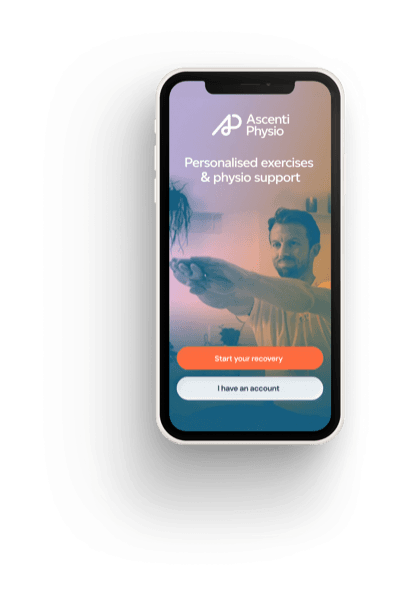
Ascenti Reach app
Manage your recovery and access tailored video guides directly from your phone.
Published
Exercising during pregnancy is safe for most women and brings a range of benefits for both you and your baby. Pregnant women are encouraged to complete around 150 minutes of moderate-intensity activity each week, ideally spread across most days. Strength training is also recommended at least twice weekly, alongside aerobic activity, to keep your body strong and prepared for the changes of pregnancy.
Regular exercise during pregnancy can:
For your baby, being active can support:
If you’re new to exercise, every bit counts. Start small with light activity such as walking, swimming, chair-based movements, or exercises using a gym ball or resistance bands. Begin with 10–15 minutes, two or three times a week, then gradually increase to 20–30 minutes, three or four times weekly as your body adapts.
Importantly, there is no evidence that exercise causes harm during pregnancy. The key is to work within your own limits, rest when needed, and listen to your body.
Reference: Physical activity for pregnant women
Many types of activity are safe during pregnancy, especially when adapted to your comfort and ability. Good options include:
A combination of strength and cardiovascular training is considered the most effective. The best approach is to choose exercises you enjoy and can maintain consistently.
While exercise is generally safe, some activities carry risks and should be avoided:
From the second trimester, you should also avoid:
Although exercise is generally safe, there are times when it’s important to stop and seek advice from a healthcare professional. Warning signs include unexpected vaginal bleeding, reduced baby movements, chest pain, severe headaches, dizziness, or sudden muscle weakness that affects your balance. You should also stop if you experience regular painful contractions, fluid leakage, or shortness of breath before exertion. Pain or swelling in your calves should be checked urgently, as this may signal a blood clot.
Listening to your body is key. If something feels wrong or unusual, it’s always better to pause and get checked.
Staying active while pregnant requires some extra care. To exercise safely:
The FITT principle is a useful way to plan your workouts during pregnancy, ensuring they remain safe and effective.
Frequency (F): Aim to be active on most days of the week, including two sessions of strength training. Your routine may change depending on how you feel — for example, nausea or fatigue in the first trimester might limit activity, while later in pregnancy you may naturally reduce intensity.
Intensity (I): Focus on exercising at a moderate level. This means your heart rate will rise and you’ll feel warmer, but you should still be able to hold a conversation without becoming breathless. Many women find the “talk test” the easiest way to judge this.
Time (T): Try to build up to 150 minutes of activity each week, ideally in bouts of at least 10 minutes. Shorter sessions are fine at the beginning and can be increased gradually as your body adapts.
Type (T): A balanced programme is best, mixing aerobic exercise such as walking or swimming with strength training and activities that support balance and stability.
Every pregnancy is unique, and exercise should always be adapted to your personal health, fitness levels, and medical guidance. Staying active during pregnancy can make a real difference for your wellbeing and your baby’s development. The most important thing is to listen to your body, find activities you enjoy, and move in a way that feels safe and sustainable.
If you have any concerns about exercising during pregnancy, or if you’re unsure what activities are safe for you, speak to your midwife or GP for personalised advice and support.
If you are looking for obstetrics related physiotherapy (antenatal or postnatal care) please call our customers services helpline (0330 678 0850) for a remote initial assessment with one of our specialist trained therapists. They will assess your symptoms virtually and ensure you continue your treatment with the most appropriate therapist for your needs.
Please note we cannot support the following conditions:
You use your body every day, so looking after it can have a big impact on your overall health and happiness.

Confused by the technical terms? You’re not alone, which is why we’ve created this section explaining some commonly used words and phrases.

Ascenti’s Virtual Physiotherapy Service Lead, Jamie Duke, talks about the future of digitally-enabled musculoskeletal (MSK) physiotherapy and the important role that it will play in shaping employee wellbeing services of the future.

Online physiotherapy is an alternative to a face-to-face appointment that can save you time and offer great results.

Video physiotherapy consultations are available as part of our virtual service. Find out more about our online appointments here.

If you’re not the most confident with technology and are wondering where to begin with the whole concept of ‘online’ physiotherapy appointments, check out our advice here.


Every woman’s journey is different. Our physiotherapists are here to help you stay active, manage pain, and move freely, whatever stage you’re at.

Heading to the slopes? Here are 5 physio tips, plus a quick warm-up and simple ski workout to help reduce injury risk and ski with confidence.

Poor circulation can feel exhausting These simple exercises can help you improve your circulation, get your blood flowing, and warm you up this winter.

Here are five exercises you can do at home to feel flexible, more energised, and reduce stiffness this winter.

Discover why Pilates is such an an effective way to overcome back pain whilst improving strength, flexibility and wellbeing.
