

Why is physiotherapy important?
You use your body every day, so looking after it can have a big impact on your overall health and happiness.
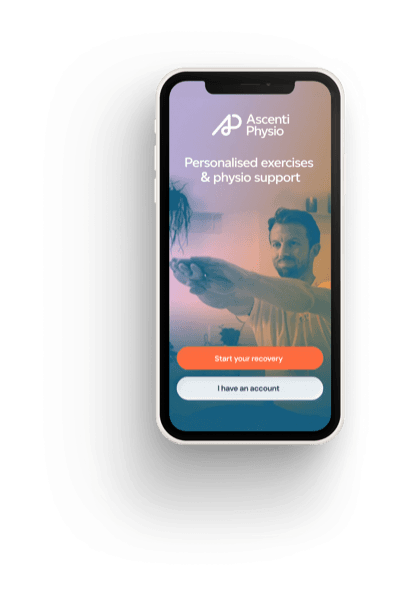
Ascenti Reach app
Manage your recovery and access tailored video guides directly from your phone.
Published
This is because your body and mind need the right nutrients to function properly.
If you are overweight or underweight, you will find it harder to move forward from injuries and health complaints. You can find out if you are a healthy weight by using this Body Mass Index (BMI) calculator as a guide.
Even if you are within your healthy BMI range, it’s still important that you get the nutrients you need and eat well.
This doesn’t have to mean drastic diets. There are simple changes that can make a big difference to your long term health and happiness.
The NHS recommends that women consume 2,000 calories a day and men 2,500 a day to maintain a healthy weight.
This is a useful guide, but it’s important to remember is that this is based on the average individual and someone who is moderately active.
If you exercise a lot or have a job that involves physical activity then you will need more fuel for your body. Equally, if you lead a very sedentary lifestyle then you may need to be mindful of your portion sizes and moving more.
When you become dehydrated your body cannot perform to the best of its ability.
You need water to regulate your temperate and to provide fluid to your cells, tissues and muscles. You also lose water throughout the day and particularly when exercising, so it’s important that you drink 6-8 glasses daily to stay hydrated.
If you don’t drink enough you may experience fatigue, muscle cramps and struggle to move around or perform to the best of your ability.
Eating breakfast provides your body with the energy that you need throughout the day.

Studies have linked eating breakfast to an overall improvement in health, mood and energy. It can also reduce the likelihood of you making poor food choices later on in the day and overeating in the evenings.
If you’re not a big breakfast eater, start with something simple and healthy like a banana with some wholegrain toast.
You should eat at least five portions of fruit and vegetables a day to provide your body with essential vitamins and minerals.
Simple changes like adding fruit to your morning cereal and bulking out foods that you would usually make with extra vegetables can help you to reach this goal. For example, try adding more beans and leafy greens to the next curry or stew that you make.

Starchy foods or ‘carbs’ should make up just over a third of what you eat and are an important part of a healthy diet.
This includes things like potatoes, rice, pasta and bread. These foods provide our bodies with fuel and are our main source of carbohydrates, so they are especially important if you play sports or train a lot.
Avoid eating too many starchy foods that have been fried or overly processed. Opt for healthier options such as wholegrain varieties and potatoes with the skin on, as these choices offer more nutritional value and fibre.
Beans, pulses, fish, eggs and meat are all good sources of protein which is an essential part of a healthy balanced diet.
Protein is the main building block for our bodies. It makes up our bones, cartilage, muscles, skin, blood, nails, hair and more. It also helps our body to grow and repair itself.
Opt for lean unprocessed meats and incorporate fish into your diet where you can.

Regularly consuming food with high levels of saturated fat can lead to problems with cholesterol and increases your risk of other health problems.
Saturated fats are found in many foods, such as: cheese, cakes, pies, sausages and butter. Simple changes like trying to cook with less oil and cutting back on takeaways can reduce your consumption.
The average man should have no more than 30g of saturated fat a day and women should have no more than 20g.
Sugary food and drink is high in energy and low in nutritional value.
Cutting back on sugary choices like cakes, biscuits and fizzy drinks will help you to reduce your sugar intake.
You should also be mindful of ‘hidden sugars’ in packaged and processed foods, for example cereals and sauces. Most food nutrition labels will show you if the product is high or low in sugar.
*If you are experiencing any significant changes in weight gain, loss or bowel function please consult your doctor straight away.
**This information is general advice that we have found to be beneficial to the majority of patients. It is not a substitute for personalised diagnosis or treatment, and it may not cover all eventualities.
You use your body every day, so looking after it can have a big impact on your overall health and happiness.

Confused by the technical terms? You’re not alone, which is why we’ve created this section explaining some commonly used words and phrases.

Ascenti’s Virtual Physiotherapy Service Lead, Jamie Duke, talks about the future of digitally-enabled musculoskeletal (MSK) physiotherapy and the important role that it will play in shaping employee wellbeing services of the future.

Online physiotherapy is an alternative to a face-to-face appointment that can save you time and offer great results.

Video physiotherapy consultations are available as part of our virtual service. Find out more about our online appointments here.

If you’re not the most confident with technology and are wondering where to begin with the whole concept of ‘online’ physiotherapy appointments, check out our advice here.


Every woman’s journey is different. Our physiotherapists are here to help you stay active, manage pain, and move freely, whatever stage you’re at.

Heading to the slopes? Here are 5 physio tips, plus a quick warm-up and simple ski workout to help reduce injury risk and ski with confidence.

Poor circulation can feel exhausting These simple exercises can help you improve your circulation, get your blood flowing, and warm you up this winter.

Here are five exercises you can do at home to feel flexible, more energised, and reduce stiffness this winter.

Discover why Pilates is such an an effective way to overcome back pain whilst improving strength, flexibility and wellbeing.
