

Why is physiotherapy important?
You use your body every day, so looking after it can have a big impact on your overall health and happiness.
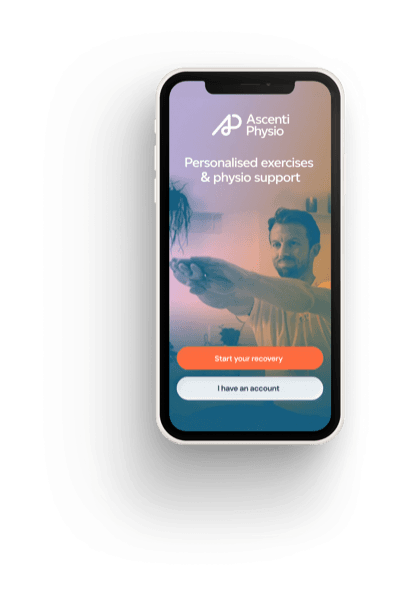
Ascenti Reach app
Manage your recovery and access tailored video guides directly from your phone.
Published
With this in mind, we asked our Consultant MSK Physiotherapist, Debbie Christer, to explain why some people experience soreness and stiffness in their arm after vaccination, and how they can best manage and relieve any associated aches and pains. Here’s what she had to say.
The Covid-19 vaccine is recommended to protect you and others from infection and serious illness, and the benefits of vaccination far outweigh the potential risks. A common reaction to the jab comes in the form of a sore arm. It is a symptom that often resolves itself within a few days and not everyone suffers from it. But what’s behind this side effect?
When we get jabbed, the vaccine causes an immune reaction, which is precisely what it is designed to do. It is the body's way of saying it needs to act. This can result in inflammation in the area of the arm where the injection has occurred.
The Covid-19 vaccine is an intramuscular injection, meaning that it’s administered into a muscle. It’s often recommended that the best muscle to inject the vaccine into is the deltoid, a large muscle that gives the shoulder its range of motion. Muscles have an excellent blood supply to help the vaccine move through the body, mixing with T-Cells and B-Cells (white blood cells that help defend our body against specific diseases).
It’s also true that the drug can linger in the muscle for a while. In some cases, pain and stiffness may take a little longer to improve, especially in the area where the vaccine was administered, as in less common cases of SIRVA (a shoulder injury related to vaccine administration). Any pre-existing joint pain and stiffness may also feel more noticeable initially. However, serious long-term side effects are unlikely following vaccinations.
If you are feeling sore after the jab, there are a few things you can do to help manage the pain and prevent your arm from getting stiff:
In terms of the vaccine’s effectiveness, it makes absolutely no difference if you’re jabbed in your left or right arm. However, it may be useful to think about which arm you use the most. Would your daily activities be affected if your dominant arm was sore? If so, it’s probably wise to have the jab in your non-dominant arm, which you’re likely to use less.
It is important to stress there is no wrong or right answer, and you should consider if you can modify your activities until the soreness subsides - though it’s quite possible you won’t experience any soreness at all in the first place!
If you have persistent arm pain or swelling for three days following a vaccination, you should seek advice from a healthcare professional at your GP surgery, as they may need to rule out infection. In the short term, they may suggest over-the-counter medicine, such as anti-inflammatories, to help relieve your symptoms.
You should always seek medical advice if you experience any of the following:
You use your body every day, so looking after it can have a big impact on your overall health and happiness.

Confused by the technical terms? You’re not alone, which is why we’ve created this section explaining some commonly used words and phrases.

Ascenti’s Virtual Physiotherapy Service Lead, Jamie Duke, talks about the future of digitally-enabled musculoskeletal (MSK) physiotherapy and the important role that it will play in shaping employee wellbeing services of the future.

Online physiotherapy is an alternative to a face-to-face appointment that can save you time and offer great results.

Video physiotherapy consultations are available as part of our virtual service. Find out more about our online appointments here.

If you’re not the most confident with technology and are wondering where to begin with the whole concept of ‘online’ physiotherapy appointments, check out our advice here.


Every woman’s journey is different. Our physiotherapists are here to help you stay active, manage pain, and move freely, whatever stage you’re at.

Heading to the slopes? Here are 5 physio tips, plus a quick warm-up and simple ski workout to help reduce injury risk and ski with confidence.

Poor circulation can feel exhausting These simple exercises can help you improve your circulation, get your blood flowing, and warm you up this winter.

Here are five exercises you can do at home to feel flexible, more energised, and reduce stiffness this winter.

Discover why Pilates is such an an effective way to overcome back pain whilst improving strength, flexibility and wellbeing.
