

Why is physiotherapy important?
You use your body every day, so looking after it can have a big impact on your overall health and happiness.
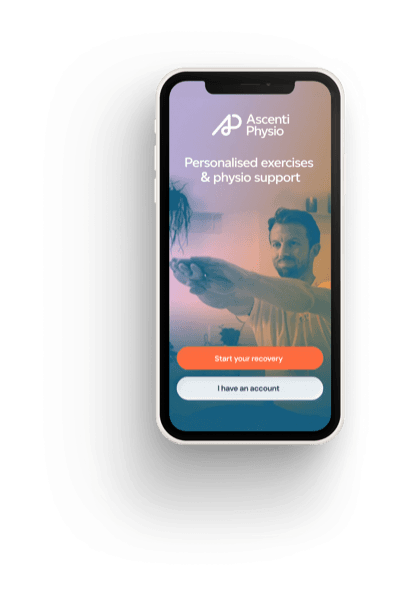
Ascenti Reach app
Manage your recovery and access tailored video guides directly from your phone.
Published
Getting back to fitness after having a baby can feel daunting. For many women, running is more than just exercise, it’s freedom, stress relief, and a big part of their identity. After pregnancy and birth, it’s natural to want to return to the activities you love. But the body goes through enormous changes during pregnancy and delivery, so returning to running requires patience, preparation, and the right support.
One of the most common questions is: “When can I run again after having a baby?” The truth is, there isn’t a one-size-fits-all answer. Healing times vary depending on your birth experience, recovery, and overall health. However, research and clinical guidelines provide a clear framework to support a safe, sustainable return.
This guide shares key evidence, signs of readiness, and advice for easing back into running. Remember, every recovery is unique, and a physiotherapist can assess your individual needs and help you return safely.
Current clinical guidelines highlight three important considerations:
Wait at least 12 weeks: Before returning to high-impact activity like running, allow a minimum of 12 weeks post birth. Some women may need longer depending on birth type, healing, and overall recovery.
Pelvic floor and core recovery are essential: Pregnancy and delivery put significant strain on the pelvic floor and abdominal muscles. Running too soon can increase the risk of incontinence, prolapse, or musculoskeletal injury.
Strength before speed: Building strength through walking, cycling, or resistance training prepares your body for running and lowers the risk of re-injury. A gradual progression is key.
Guidelines suggest checking a few strength and movement markers before starting. You should be able to complete these without pain, leaking, heaviness, or discomfort:
You may not be ready to run if you experience:
If these symptoms occur, pause your training and seek advice from a pelvic health physiotherapist.
When your body feels ready, the safest approach is to build up gradually:
A postnatal physiotherapy check is highly recommended before resuming running. During this appointment, a physiotherapist can:
While musculoskeletal physiotherapists can cover many of these areas, a specialist pelvic health physiotherapist is best placed to assess your pelvic floor. This ensures any hidden issues, such as weakness or prolapse, are identified and managed before you begin running again.
If you are looking for obstetrics related physiotherapy (antenatal or postnatal care) please call our customers services helpline (0330 678 0850) for a remote initial assessment with one of our specialist trained therapists. They will assess your symptoms virtually and ensure you continue your treatment with the most appropriate therapist for your needs.
Please note we cannot support the following conditions:
Running after pregnancy is possible, and enjoyable, with the right preparation. By waiting until your body is ready, rebuilding strength first, and seeking physiotherapy support, you can return to the sport you love safely and sustainably.
If you are considering running after having a baby and would like support, we can help. One of our specialist-trained therapists will carry out a remote initial assessment to understand your needs and make sure you continue your treatment with the most appropriate physiotherapist for your recovery.
You use your body every day, so looking after it can have a big impact on your overall health and happiness.

Confused by the technical terms? You’re not alone, which is why we’ve created this section explaining some commonly used words and phrases.

Ascenti’s Virtual Physiotherapy Service Lead, Jamie Duke, talks about the future of digitally-enabled musculoskeletal (MSK) physiotherapy and the important role that it will play in shaping employee wellbeing services of the future.

Online physiotherapy is an alternative to a face-to-face appointment that can save you time and offer great results.

Video physiotherapy consultations are available as part of our virtual service. Find out more about our online appointments here.

If you’re not the most confident with technology and are wondering where to begin with the whole concept of ‘online’ physiotherapy appointments, check out our advice here.


Every woman’s journey is different. Our physiotherapists are here to help you stay active, manage pain, and move freely, whatever stage you’re at.

Heading to the slopes? Here are 5 physio tips, plus a quick warm-up and simple ski workout to help reduce injury risk and ski with confidence.

Poor circulation can feel exhausting These simple exercises can help you improve your circulation, get your blood flowing, and warm you up this winter.

Here are five exercises you can do at home to feel flexible, more energised, and reduce stiffness this winter.

Discover why Pilates is such an an effective way to overcome back pain whilst improving strength, flexibility and wellbeing.
