

Why is physiotherapy important?
You use your body every day, so looking after it can have a big impact on your overall health and happiness.
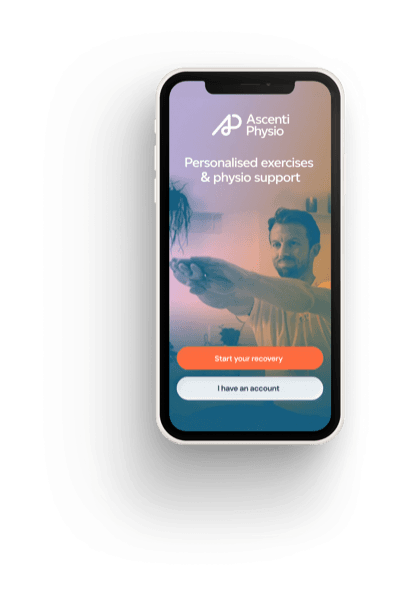
Ascenti Reach app
Manage your recovery and access tailored video guides directly from your phone.
Published
Lower back pain is extremely common, affecting at least 80% of people at some point in their lifetime. Of these cases, non-specific lower back pain accounts for around 90% - this means that the cause of the back pain is nothing serious but does not have one exact cause. The majority of cases will resolve within six weeks, but for some people, symptoms can linger or re-occur and negatively impact daily activities.
Whilst there are physical factors that can lead to lower back pain, such as muscle strain or aggravation from repetitive movements, there is also a connection between stress and lower back pain, particularly when predicting how long it will take for someone’s lower back pain to improve. It is therefore important to address all possible factors you feel may be contributing. Pilates can be a very useful tool for this as it has been shown to not only improve physical strength and pain but also support overall wellbeing.
Pilates is a form of exercise that was originally developed by Mr Joseph Pilates in the early 1900s to help people that were bed bound in hospital. He realised that those who did the exercises seemed to have a much quicker recovery. It has since developed into a popular form of exercise that looks at improving movement control and muscle strength. Pilates is now recommended by the NHS as a treatment approach for lower back pain and there is growing research on the benefits for improving back pain even compared to other forms of exercise.
There are lots of variations of Pilates exercises to make them more or less challenging. Whilst the exercise might feel like an effort, it shouldn’t cause significant pain - it is important to always work at a level that is right for you. Over time, you will find exercises becoming easier and be able to work through a variety of levels as you progress.
Both are great forms of movement and complement each other well, so there is no need to choose one or the other. Joseph Pilates actually took inspiration for his work from yoga, martial arts and other traditional forms of exercise so they share many similarities.
Pilates can be a useful starting point for learning core engagement and movement control that will support both activities, but yoga is also beneficial for improving these areas as long as the practice you are doing feels comfortable for you. Research has shown that yoga and Pilates support people to build a healthier lifestyle, having both physical and psychological benefits. Both activities are suitable for anyone at any age or level and it is never too late to start.
If you are interested in starting Pilates, it is always best to start with in-person classes, either as a group or one-to-one, so that the instructor can support you with technique and give different options if an exercise feels uncomfortable. However, if a class wouldn’t fit into your routine or the thought is a bit overwhelming, there are loads of great online classes – live or pre-recorded – that make it a very accessible form of exercise.
You can incorporate equipment into your practice, but it is certainly not essential, meaning you can also do it from anywhere. Lower back pain that has been present for six months or longer is seen to improve over around three months of doing Pilates for one hour twice a week. However, you do not have to initially commit to an hour-long session, even taking 10-15 minutes a few times a week can begin to make a difference and the time can be built up gradually.
If you have lower back pain and have been considering Pilates, then these exercises will be a good introduction and hopefully the beginning of your Pilates journey.
You use your body every day, so looking after it can have a big impact on your overall health and happiness.

Confused by the technical terms? You’re not alone, which is why we’ve created this section explaining some commonly used words and phrases.

Ascenti’s Virtual Physiotherapy Service Lead, Jamie Duke, talks about the future of digitally-enabled musculoskeletal (MSK) physiotherapy and the important role that it will play in shaping employee wellbeing services of the future.

Online physiotherapy is an alternative to a face-to-face appointment that can save you time and offer great results.

Video physiotherapy consultations are available as part of our virtual service. Find out more about our online appointments here.

If you’re not the most confident with technology and are wondering where to begin with the whole concept of ‘online’ physiotherapy appointments, check out our advice here.


Every woman’s journey is different. Our physiotherapists are here to help you stay active, manage pain, and move freely, whatever stage you’re at.

Heading to the slopes? Here are 5 physio tips, plus a quick warm-up and simple ski workout to help reduce injury risk and ski with confidence.

Poor circulation can feel exhausting These simple exercises can help you improve your circulation, get your blood flowing, and warm you up this winter.

Here are five exercises you can do at home to feel flexible, more energised, and reduce stiffness this winter.

Discover why Pilates is such an an effective way to overcome back pain whilst improving strength, flexibility and wellbeing.
