

Why is physiotherapy important?
You use your body every day, so looking after it can have a big impact on your overall health and happiness.
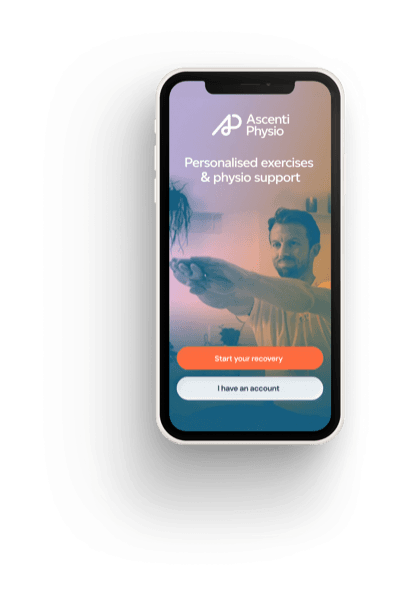
Ascenti Reach app
Manage your recovery and access tailored video guides directly from your phone.
Published
Ice and heat is an easy and effective way to treat any pain or injury at home and can help you to:
You should use whichever one your body feels it needs.
The main difference is that ice can also reduce inflammation, bleeding and swelling.
This means that it can be helpful to apply ice to an injury or area that has suddenly swollen or become very painful within the first 48 hours.
Heat, on the other hand, is useful for aches and pains. Often people with arthritis and long-standing conditions like back pain find heat very beneficial as the warmth makes soft tissues more pliable and can reduce stiffness.
Using ice and heat at home is generally very safe, but you must apply correctly to reduce any risk of damaging or burning your skin.
If you are in a lot of pain then applying ice and heat can feel very relieving, which means that it can be easy to get carried away and apply for too long or too vigorously.
Do not apply ice if you have any loss of sensation or numbness in the area, extreme sensitivity to cold, poor circulation in your hands or feet, Raynaud’s disease or broken skin.
Do not apply heat to the area if you have any loss of sensation or numbness, extreme sensitivity to heat, a fever, a blood clot, poor blood pressure, any sign of infection, poor circulation in your hands and feet, broken skin or eczema.
If you have any of these conditions or are experiencing these issues as well as a significant increase in pain to the area, then you should dial the NHS helpline on 111 or seek advice from a medical professional before you apply ice or heat to the area.
You use your body every day, so looking after it can have a big impact on your overall health and happiness.

Confused by the technical terms? You’re not alone, which is why we’ve created this section explaining some commonly used words and phrases.

Ascenti’s Virtual Physiotherapy Service Lead, Jamie Duke, talks about the future of digitally-enabled musculoskeletal (MSK) physiotherapy and the important role that it will play in shaping employee wellbeing services of the future.

Online physiotherapy is an alternative to a face-to-face appointment that can save you time and offer great results.

Video physiotherapy consultations are available as part of our virtual service. Find out more about our online appointments here.

If you’re not the most confident with technology and are wondering where to begin with the whole concept of ‘online’ physiotherapy appointments, check out our advice here.


Every woman’s journey is different. Our physiotherapists are here to help you stay active, manage pain, and move freely, whatever stage you’re at.

Heading to the slopes? Here are 5 physio tips, plus a quick warm-up and simple ski workout to help reduce injury risk and ski with confidence.

Poor circulation can feel exhausting These simple exercises can help you improve your circulation, get your blood flowing, and warm you up this winter.

Here are five exercises you can do at home to feel flexible, more energised, and reduce stiffness this winter.

Discover why Pilates is such an an effective way to overcome back pain whilst improving strength, flexibility and wellbeing.
