

Why is physiotherapy important?
You use your body every day, so looking after it can have a big impact on your overall health and happiness.
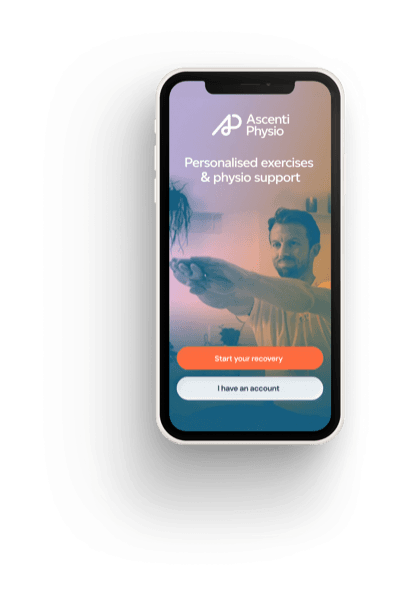
Ascenti Reach app
Manage your recovery and access tailored video guides directly from your phone.
Published
The menopause marks the permanent end of menstruation. For most women, it happens naturally between the ages of 45 and 55, but around 1 in 100 experience it before the age of 40 (Menopause Charity, 2021). While menopause is a natural stage of life, it often brings changes that many women don’t expect.
Alongside well-known symptoms such as hot flushes, mood changes, and sleep disturbances, the musculoskeletal (MSK) system — your bones, muscles, and joints — can also be affected. These changes can influence how your body feels, moves, and recovers.
There are three main ways menopause can occur:
Natural
This happens when ovarian activity gradually declines, leading to the final menstrual period. Natural menopause is only confirmed when a person has gone 12 consecutive months without menstruation, without any other medical cause.
Induced
This follows medical intervention such as the surgical removal of both ovaries (with or without hysterectomy), chemotherapy, or radiation therapy. In these cases, menopause occurs suddenly and can be timed precisely.
Premature or early
When menopause happens before the age of 45 it is considered early, and before 40 it is classed as premature. This is not the same as perimenopause, which is the transition phase leading up to menopause.
Menopause isn’t a single event but a transition with three key stages:
Perimenopause: The period leading up to menopause when hormone levels fluctuate and symptoms begin, lasting until 12 months after the final menstrual period.
Menopause: The final menstrual period itself.
Post-menopause: The time after the final menstrual period, confirmed once 12 months have passed without menstruation.
Falling oestrogen levels can have a big impact on MSK health. Physiotherapists often see women experiencing:
Bone health changes: Lower oestrogen reduces bone density, increasing the risk of osteopenia and osteoporosis. This makes bones more fragile and more prone to fractures.
Joint pain and stiffness: Hormonal changes, and sometimes reduced physical activity, can lead to stiff or aching joints.
Muscle strength decline: Oestrogen helps maintain muscle mass, so strength and endurance often fall during menopause. Everyday activities like lifting, carrying, or climbing stairs may feel more tiring. Research suggests muscle mass decreases by around 6% from the age of 50, with an additional 1% lost per year around menopause.
Tendon and soft tissue changes: Collagen production also declines, which can increase the risk of tendinopathy (conditions affecting the tendons). Shoulder pain, tennis elbow, or Achilles issues are more common in this stage of life.
The good news is that exercise and physiotherapy can play a powerful role in protecting your MSK health. Staying active helps reduce symptoms, improve mobility, and support long-term wellbeing.
Physiotherapists can provide tailored support to help you move with confidence during and after menopause. They can:
If you are looking for obstetrics related physiotherapy (antenatal or postnatal care) please call our customers services helpline (0330 678 0850) for a remote initial assessment with one of our specialist trained therapists. They will assess your symptoms virtually and ensure you continue your treatment with the most appropriate therapist for your needs.
Please note we cannot support the following conditions:
Menopause may bring challenges to your bones, muscles, and joints, but it doesn’t have to slow you down. With the right advice, regular movement, and physiotherapy support, you can stay strong, active, and confident in your body.
If you’re experiencing new aches, pains, or concerns around menopause and movement, our team is here to help. One of our specialist-trained therapists will carry out a remote initial assessment to understand your needs and make sure you continue your treatment with the most appropriate physiotherapist for your recovery.
You use your body every day, so looking after it can have a big impact on your overall health and happiness.

Confused by the technical terms? You’re not alone, which is why we’ve created this section explaining some commonly used words and phrases.

Ascenti’s Virtual Physiotherapy Service Lead, Jamie Duke, talks about the future of digitally-enabled musculoskeletal (MSK) physiotherapy and the important role that it will play in shaping employee wellbeing services of the future.

Online physiotherapy is an alternative to a face-to-face appointment that can save you time and offer great results.

Video physiotherapy consultations are available as part of our virtual service. Find out more about our online appointments here.

If you’re not the most confident with technology and are wondering where to begin with the whole concept of ‘online’ physiotherapy appointments, check out our advice here.


Every woman’s journey is different. Our physiotherapists are here to help you stay active, manage pain, and move freely, whatever stage you’re at.

Heading to the slopes? Here are 5 physio tips, plus a quick warm-up and simple ski workout to help reduce injury risk and ski with confidence.

Poor circulation can feel exhausting These simple exercises can help you improve your circulation, get your blood flowing, and warm you up this winter.

Here are five exercises you can do at home to feel flexible, more energised, and reduce stiffness this winter.

Discover why Pilates is such an an effective way to overcome back pain whilst improving strength, flexibility and wellbeing.
