

Why is physiotherapy important?
You use your body every day, so looking after it can have a big impact on your overall health and happiness.
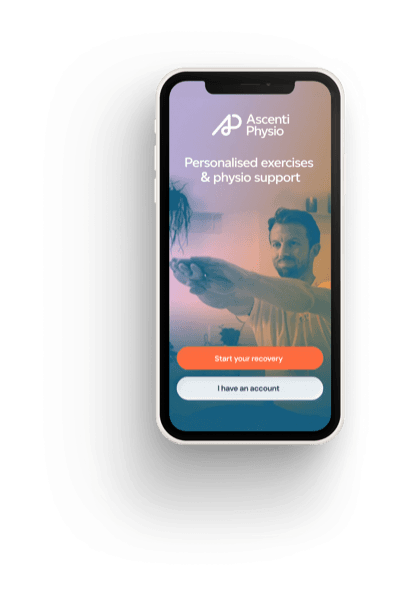
Ascenti Reach app
Manage your recovery and access tailored video guides directly from your phone.
Published
Plantar fasciitis is a painful condition that affects the plantar fasci - a thick band of connective tissue that is found in the sole of the foot. It is one of the most common complaints that patients speak to our physiotherapists about.
In this article, we will delve into the world of plantar fasciitis and explore what it is and how it can be treated.
The hallmark symptom of plantar fasciitis is sharp, stabbing pain in the heel, especially when taking the first steps in the morning or after long periods of rest.
The affected area may be tender to touch, and you might experience mild swelling.
Plantar fasciitis can typically develop gradually over time, often affecting one foot but it can affect both feet in some patients.
Activities that place load or force through the plantar fascia, such as running, walking, or standing for extended periods, can exacerbate the pain. Sometimes this occurs during the activity, but more commonly after a period of rest following such an activity. Other causes of symptoms include rapid changes in training pace or volume, or a change in the type of footwear you typically wear.
Plantar fasciitis can be really common after summer holidays – when you might be much more active than you are in your usual life and wear different styles of footwear for longer periods than usual.
Other risk factors include age, altered foot biomechanics and improper gait, or any condition which affects the elasticity and shock-absorbing capabilities, resulting in the plantar fascia being more prone to injury.
Several conditions can mimic the symptoms of plantar fasciitis, which is why it’s important to book an appointment to see a physiotherapist and get their guidance. Having an accurate diagnosis is essential for effective treatment.
Some of the conditions that need to be ruled out include:
The treatment options for plantar fasciitis can vary depending on what is found during your assessment. But here are a few examples:
Plantar fasciitis can be a frustrating and painful condition, impacting an individual's quality of life. Physiotherapists are trained and experienced to recognise the signs and symptoms accurately which is important in providing timely and effective treatment.
With proper care and appropriate interventions, most patients can recover from plantar fasciitis and resume their daily activities without persistent pain. It is important for patients to actively participate in their recovery through lifestyle modifications. Targeted exercises are key to achieving long-term relief and preventing recurrence.
You use your body every day, so looking after it can have a big impact on your overall health and happiness.

Confused by the technical terms? You’re not alone, which is why we’ve created this section explaining some commonly used words and phrases.

Ascenti’s Virtual Physiotherapy Service Lead, Jamie Duke, talks about the future of digitally-enabled musculoskeletal (MSK) physiotherapy and the important role that it will play in shaping employee wellbeing services of the future.

Online physiotherapy is an alternative to a face-to-face appointment that can save you time and offer great results.

Video physiotherapy consultations are available as part of our virtual service. Find out more about our online appointments here.

If you’re not the most confident with technology and are wondering where to begin with the whole concept of ‘online’ physiotherapy appointments, check out our advice here.


Every woman’s journey is different. Our physiotherapists are here to help you stay active, manage pain, and move freely, whatever stage you’re at.

Heading to the slopes? Here are 5 physio tips, plus a quick warm-up and simple ski workout to help reduce injury risk and ski with confidence.

Poor circulation can feel exhausting These simple exercises can help you improve your circulation, get your blood flowing, and warm you up this winter.

Here are five exercises you can do at home to feel flexible, more energised, and reduce stiffness this winter.

Discover why Pilates is such an an effective way to overcome back pain whilst improving strength, flexibility and wellbeing.
