

Why is physiotherapy important?
You use your body every day, so looking after it can have a big impact on your overall health and happiness.
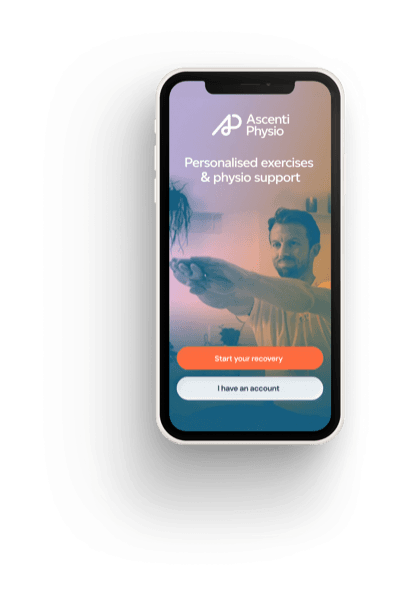
Ascenti Reach app
Manage your recovery and access tailored video guides directly from your phone.
Published
The sciatic nerve is the largest nerve in the human body. It runs down your lower back and through the back of the leg, right down to your toes.
The most important thing to know about sciatica is that it is not a diagnosis. Sciatica is the term used to describe the symptoms of radiating pain down the lower back, hips and legs, which can be the result of different underlying causes, including pregnancy.
You can experience sciatica at any point during your pregnancy, but it is more common in the third trimester.
Sciatica is when your sciatic nerve becomes irritated, causing discomfort and painful symptoms which can include:
The causes of sciatica during pregnancy are often multifactorial and different for every woman and pregnancy.
There are several underlying causes that can irritate the sciatic nerve, including:
Physiotherapy is an effective treatment for pregnancy-related sciatica.
Your physiotherapist will conduct a thorough assessment to identify the underlying cause of your sciatica. Identifying the root cause when you are pregnant is important because it will enable them to create an appropriate treatment plan that can help to stop or reduce the pain, as opposed to just treating the symptoms.
This treatment plan will also help you to manage your sciatica as your pregnancy progresses and prevent your sciatica from returning or worsening.
Physiotherapy treatment for pregnancy-related sciatica with an Ascenti physio may include:
If needed, your physiotherapist will prescribe exercises for you to follow at home. They will use our patient app to provide you with exercise instructions and a treatment plan, where you will be able to access demo videos, track your progress and send messages to your physio after your appointment. This is a great tool as it gives you 24/7 access to guidance at the touch of a button and the confidence to know that you are doing your exercises correctly.
If you are looking for obstetrics related physiotherapy (antenatal or postnatal care) please call our customers services helpline (0330 678 0850) for a remote initial assessment with one of our specialist trained therapists. They will assess your symptoms virtually and ensure you continue your treatment with the most appropriate therapist for your needs.
Please note we cannot support the following conditions:
Yes. Physiotherapy is a safe and effective way to treat sciatica during pregnancy.
Your Ascenti physiotherapist will take into account your pregnancy and will adapt their treatment approach to ensure that it is safe for you and in line with the latest best practice guidance. For example, you would lie on your side for soft-tissue massage.
If you book an appointment with Ascenti you can rest assured that you are in good hands. We are a trusted partner to the NHS and all Ascenti physiotherapists are registered with the Health and Care Professions Council (HCPC).
Ascenti is also registered with the Care Quality Commission (CQC), the same organisation that regulates hospitals and primary care services. Learn more about our quality and safety standards.
Some physiotherapists also choose to specialise in women’s health which covers all conditions associated with pregnancy, post-natal recovery and pelvic conditions.
At Ascenti we do have some women’s health specialists and you can contact us to find out if we have one working near you.
At Ascenti we typically treat pregnancy-related sciatica in 4-6 physiotherapy sessions.
Because sciatica is not a diagnosis, recovery can vary from person to person depending on the underlying causes of your sciatica during pregnancy.
For some people, treatment may rehabilitate them very quickly and stop the pain. For others, it might be more a case of regular soft-tissue massage to relieve pain and improve mobility, alongside strength-building exercises and techniques to help manage and prevent the sciatica from worsening as the pregnancy progresses.
To rehabilitate fully and as quickly as possible, it’s important that you follow the advice of your physiotherapist, stick to your exercise plan and make any lifestyle adjustments that have been recommended.
If you are experiencing the sudden onset of sciatica symptoms during pregnancy or what some may refer to as a ‘flare up’ it can be extremely painful.
The below will only help you to manage sciatica symptoms. You should book an appointment with an Ascenti physiotherapist so that they can identify the underlying causes and give you a treatment plan that will fully address your sciatica and reduce or stop the pain.
Advice for the sudden onset of severe pain from sciatica:
Massage can help a little bit, but massage alone is not the answer.
To treat sciatica properly you need a complete rehabilitation plan and to identify the root cause with a physiotherapist. There is no point in just treating the symptoms with massage which can provide some relief, but not addressing other issues that could be causing it such as your posture or an underlying weakness.
Depending on what’s causing your sciatica, massage could form one aspect of your physio treatment plan with us, but this will not be the same as a holistic or sports massage.
Physiotherapists will use targeted soft-tissue massage techniques to reduce muscle spasms and any tightness around the sciatic nerve, and this will always be combined with other treatments approaches.
Often the best exercises for sciatica during pregnancy involve strengthening your glutes, hamstrings and lower back.
Strengthening these areas can help you to carry the extra weight on your front and reduce pressure on your lower back and sciatic nerve.
You use your body every day, so looking after it can have a big impact on your overall health and happiness.

Confused by the technical terms? You’re not alone, which is why we’ve created this section explaining some commonly used words and phrases.

Ascenti’s Virtual Physiotherapy Service Lead, Jamie Duke, talks about the future of digitally-enabled musculoskeletal (MSK) physiotherapy and the important role that it will play in shaping employee wellbeing services of the future.

Online physiotherapy is an alternative to a face-to-face appointment that can save you time and offer great results.

Video physiotherapy consultations are available as part of our virtual service. Find out more about our online appointments here.

If you’re not the most confident with technology and are wondering where to begin with the whole concept of ‘online’ physiotherapy appointments, check out our advice here.


Every woman’s journey is different. Our physiotherapists are here to help you stay active, manage pain, and move freely, whatever stage you’re at.

Heading to the slopes? Here are 5 physio tips, plus a quick warm-up and simple ski workout to help reduce injury risk and ski with confidence.

Poor circulation can feel exhausting These simple exercises can help you improve your circulation, get your blood flowing, and warm you up this winter.

Here are five exercises you can do at home to feel flexible, more energised, and reduce stiffness this winter.

Discover why Pilates is such an an effective way to overcome back pain whilst improving strength, flexibility and wellbeing.
