

Why is physiotherapy important?
You use your body every day, so looking after it can have a big impact on your overall health and happiness.
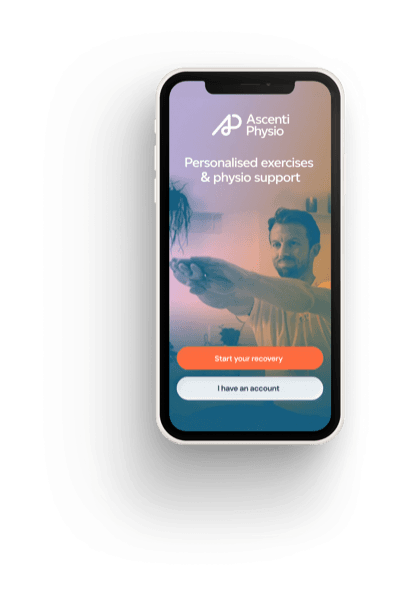
Ascenti Reach app
Manage your recovery and access tailored video guides directly from your phone.
Published
Huw Dimond is an Ascenti physiotherapist based in Redditch and Gloucester. Huw has a background in sport, specialising in rugby and snowboarding. On top of his Physiotherapy degree he also has a degree in Sport and Exercise Science.
Huw’s keen interest in snowboarding led him to spend a season in Whistler, Canada, where he acquired his Level 2 snowboarding qualification. He then went on to gain two years’ experience instructing in the Bielmonte resort in Northern Italy.
I love snowboarding; not only is it an exhilarating sport, but it also takes place in some of the most stunning environments you can imagine. While it is a very popular holiday activity, it is also an extreme sport and unfortunately, injuries can be quite common.
The graph below shows the most common areas of injury for recreational snowboarders. The arm and wrist tend to be most affected because when snowboarding you have a tendency to fall and land onto your outstretched hand. This puts a lot of extra pressure through the arm that can cause injury.

This article is not designed to scare you off from snowboarding, but to highlight advice that will help you to prevent injuries, perform better and to allow you to fully enjoy your time doing this amazing sport.
Helmet – Helmets have become commonplace on the slopes at all resorts now and in some resorts it is compulsory to wear one. I would suggest investing in a good quality helmet to reduce the chance of head injuries while snowboarding.
Wrist protectors – With the majority of snowboarding injuries involving the wrist (such as fractures, dislocations and sprains) wearing a good pair of wrist protectors can significantly reduce the risk of injury. Make sure they fit well, are comfortable and will fit inside your snowboard gloves.
Padded shorts – While not as essential as the other two items, you may find some padded shorts beneficial. As a beginner snowboarder you are going to fall a number of times while learning and this can become quite painful if you fall hard. A pair of padded shorts can help to reduce bruising to the hips and bum region which will take a lot of the impact when you fall.

Like any sport or activity, technique is important. To learn on your own will likely take longer and will involve falling regularly. To help speed up this process and minimise the falling I suggest booking in for a few lessons with a professional instructor. The instructor will show you the basics, help you through any issues that you find difficult, reduce the risk of injury and make the learning process fun.
Snowboarding is a very physical sport, so carrying any injuries will have an effect on how much you can do. It may also make the injury worse. See your physiotherapist about any injuries you have prior to going away to get the most out of your holiday.
Snowboarding is a very tiring activity and may use muscles in ways that you are not used to. Take regular breaks to reduce fatigue and rehydrate. Snowboarding while tired will increase the chance of poor technique, falling and therefore injury. It is amazing how many times people get injured on the last run of the day.

Taking into account the above, it is definitely worthwhile performing some conditioning exercises to get you in the best shape before you go away. Areas of particular importance are working on leg strength, balance and triceps strength. Below are some examples of exercises to target the correct muscles.
For a thorough programme visit your Ascenti physiotherapist who can assess your strength and put together a targeted strengthening programme to work on your specific needs.
Find out more: Treatments and services with Ascenti
The mountain can be a dangerous place if it is not respected. Stay safe by:
During the first 3 days of an injury your body enters what we call the ‘inflammatory stage’. This stage is often the most painful and needs the correct management, known as PEACE:
P Protection - protect the affected area from further injury by stopping snowboarding and using a sling or support if needed. Avoid movements or activities which increase pain.
E Elevation - elevate the injured limb higher than the heart as often as possible.
A Avoid taking anti-inflammatory medication as they can reduce tissue healing. Avoid icing for more than 5 minutes.
C Compression - use elastic compression bandages to lightly compress the area during the day to limit swelling.
E Education - your body knows best. Avoid unnecessary treatments and medical investigations and let nature play its role.
During the first 3 days after injury you should remember the ‘NO HARM’ protocol. This means no:
These activities may prevent or slow down the healing process.
After this time, and for the next 7-14 days the injury needs LOVE:
L Load - let pain guide your gradual return to normal activities. Your body will tell you when it’s safe to increase load.
O Optimism - condition your brain for optimal recovery by being confident and positive.
V Vascularisation - choose pain free cardio-vascular/aerobic activities to increase blood flow to repairing tissues.
E Exercise - restore mobility, strength and balance by adopting an active approach to recovery.
Find out more: How to treat a soft-tissue injury, sprain or strain
Find out more: The safe use of ice and heat at home
Unfortunately, even with these tips, injuries may still occur. If this does happen then make sure to see your local physiotherapist as soon as possible to get yourself back to normal.
Unfortunately, if you do not treat injuries initially then they can linger and become more difficult to treat further down the line.
You use your body every day, so looking after it can have a big impact on your overall health and happiness.

Confused by the technical terms? You’re not alone, which is why we’ve created this section explaining some commonly used words and phrases.

Ascenti’s Virtual Physiotherapy Service Lead, Jamie Duke, talks about the future of digitally-enabled musculoskeletal (MSK) physiotherapy and the important role that it will play in shaping employee wellbeing services of the future.

Online physiotherapy is an alternative to a face-to-face appointment that can save you time and offer great results.

Video physiotherapy consultations are available as part of our virtual service. Find out more about our online appointments here.

If you’re not the most confident with technology and are wondering where to begin with the whole concept of ‘online’ physiotherapy appointments, check out our advice here.


Every woman’s journey is different. Our physiotherapists are here to help you stay active, manage pain, and move freely, whatever stage you’re at.

Heading to the slopes? Here are 5 physio tips, plus a quick warm-up and simple ski workout to help reduce injury risk and ski with confidence.

Poor circulation can feel exhausting These simple exercises can help you improve your circulation, get your blood flowing, and warm you up this winter.

Here are five exercises you can do at home to feel flexible, more energised, and reduce stiffness this winter.

Discover why Pilates is such an an effective way to overcome back pain whilst improving strength, flexibility and wellbeing.
